Outplacement. Tick. Next.
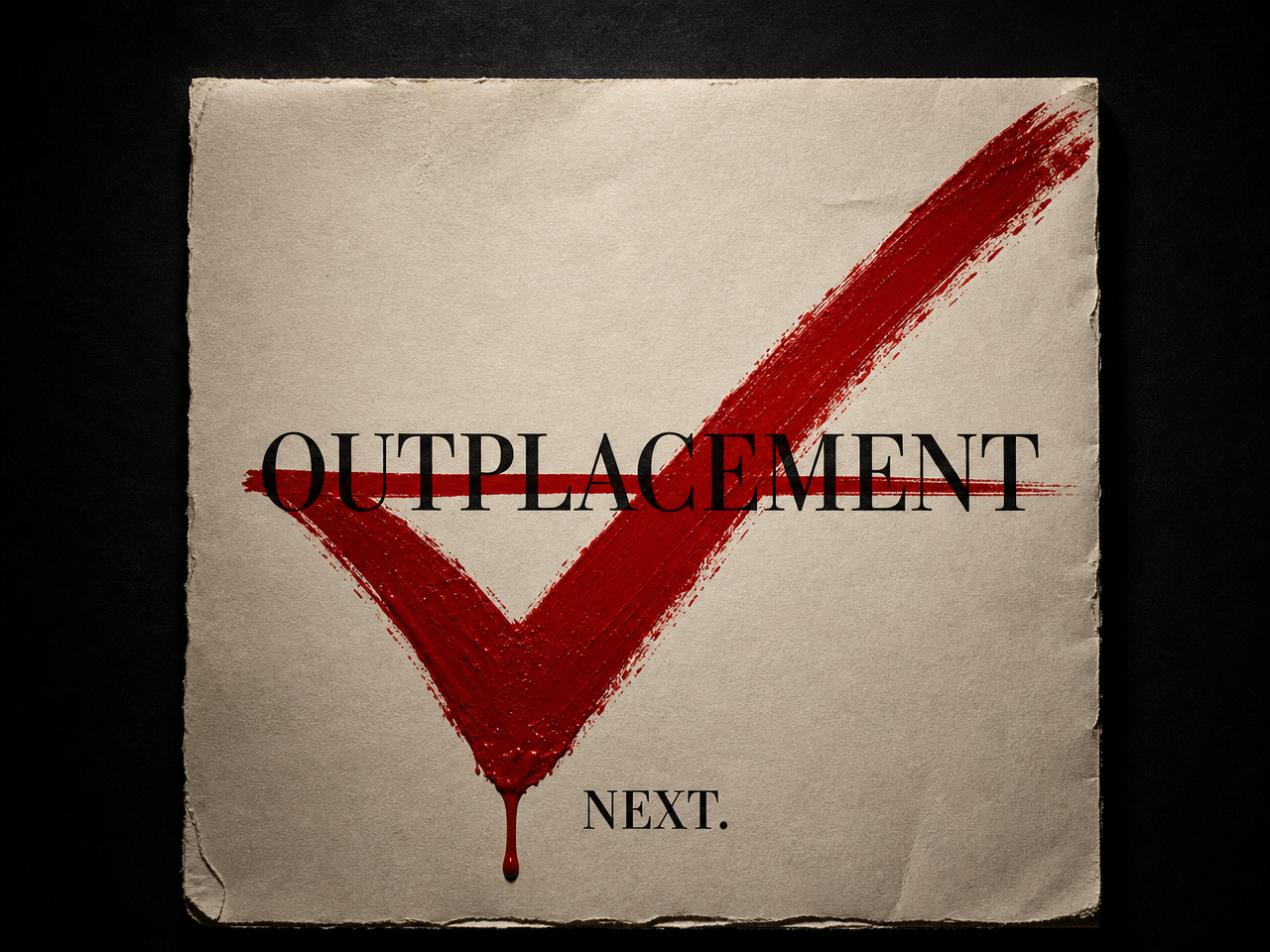
The call came from a former colleague. She had just been made redundant after twelve years. The company had been generous. A good settlement, kind words from her manager, and a VIP outplacement package. The best one on offer.
She never finished it.
She is not alone. In recent months I have worked with three senior professionals who were handed outplacement packages by their former employers. All three stopped. One did not connect with the coach she was assigned. Another found the programme too generic to be useful. The third had the VIP package. Same result.
These were not cheap programmes. We are talking tens of thousands of dollars. Signed off without hesitation by organisations that genuinely believed they were doing the right thing.
And they were trying to. That is the part that stays with me.
Here is what I have observed. Companies will spend hundreds of thousands recruiting the right person. They will spend tens of thousands on an outplacement programme when that same person leaves. What they rarely spend is any real attention on whether the programme actually works.
The cheque gets signed. The box gets ticked. The person is on their own.
Nobody follows up. Nobody asks whether the coach was the right fit, whether the programme spoke to where this person actually is, whether it addressed the specific challenge of a senior professional navigating transition at this stage of their career. The purchase gets made and the attention moves on.
Outplacement at scale is built for the average. It is designed to be delivered efficiently across a large population. That is a reasonable commercial model. It is a poor fit for a senior professional who has spent twenty years building something specific and now needs to think carefully about what comes next.
The redundancy conversation is one of the most disorienting moments in a professional life. It is not the moment to hand someone a login and a generic programme and assume the work is done.
The irony is that the cost of genuine, personalised support at this moment is not materially different from what organisations are already spending. What is different is the attention. The fit. The commitment to an outcome rather than a process.
Companies talk about their people being their greatest asset. The way an organisation treats someone on the way out says as much about that commitment as anything that happens on the way in.
The box gets ticked. But the person remembers.
What's your experience?
If this resonated with you, I'd love to continue the conversation.
Get in Touch